

Environmental Fungal Testing
Cryptococcus and Histoplasma Risk Awareness
Environmental microbiology analysis to help consultants, facility teams, and remediation professionals evaluate potential fungal contamination in buildings, workspaces, and remediation environments.
Overview
What These Organisms Are and Where They Live
Certain fungi found in the environment can become an indoor air quality or occupational exposure concern when contaminated soil, dust, bird droppings, bat droppings, or decaying organic material are disturbed. Two organisms often discussed in these exposure settings are Cryptococcus neoformans and Histoplasma capsulatum.
Cryptococcus neoformans is an environmental yeast/fungus associated with soil, bird droppings, decaying wood, and some trees. Exposure can occur when microscopic fungal particles become airborne and are inhaled. In susceptible individuals, Cryptococcus can cause serious infection, most commonly affecting the lungs or central nervous system. CDC notes that Cryptococcus is found in the environment and infection can occur after inhaling spores.
Histoplasma capsulatum is a fungus associated with soil and environmental material enriched with bird or bat droppings. Activities such as demolition, renovation, excavation, cleanup of droppings, HVAC disruption, or remediation work may increase exposure risk when contaminated material becomes airborne. NIOSH notes that Histoplasma grows especially well in soil or environmental material containing large amounts of bird or bat droppings.
Air Allergen provides environmental microbiology analysis to help clients better understand potential fungal contamination concerns in buildings, workspaces, and remediation environments.
Why Testing Matters
When Environmental Fungal Testing Is Useful
Environmental fungal testing may be useful when there is concern that fungal material may be present in the environment, especially before or after activities that disturb dust, soil, droppings, or organic debris.
Testing can support decisions related to:
- •Renovation, demolition, or construction planning
- •Remediation and post-cleanup verification
- •Indoor air quality concerns after disturbance events
- •Occupational exposure documentation
- •Facility protection and environmental risk awareness
- •HVAC-related concerns when airborne fungal particles may enter or circulate through a building
- •Environmental health and safety decision-making
Testing does not determine whether someone is infected. Instead, it helps provide environmental data that consultants, facility teams, remediation professionals, and other qualified professionals can use when evaluating site conditions.
Common Risk Scenarios
When to Consider Environmental Fungal Testing
Environmental fungal testing may be considered in situations such as:
Bird droppings
Found in attics, warehouses, rooftops, crawlspaces, or mechanical areas.
Bat guano
Found in attics, wall voids, crawlspaces, or other enclosed spaces.
Demolition or renovation
Work in areas with accumulated dust, droppings, or organic debris.
HVAC intake concerns
Where outdoor dust or fungal material may enter the building.
Attic or crawlspace cleanup
Involving droppings, insulation, or contaminated debris.
Water-damaged buildings
Where fungal growth or contamination is suspected.
Post-remediation verification
After cleanup work, to document conditions.
Indoor air quality complaints
Following construction, cleanup, or disturbance events.
How Air Allergen Can Help
Culture-Based Analysis For Environmental Samples
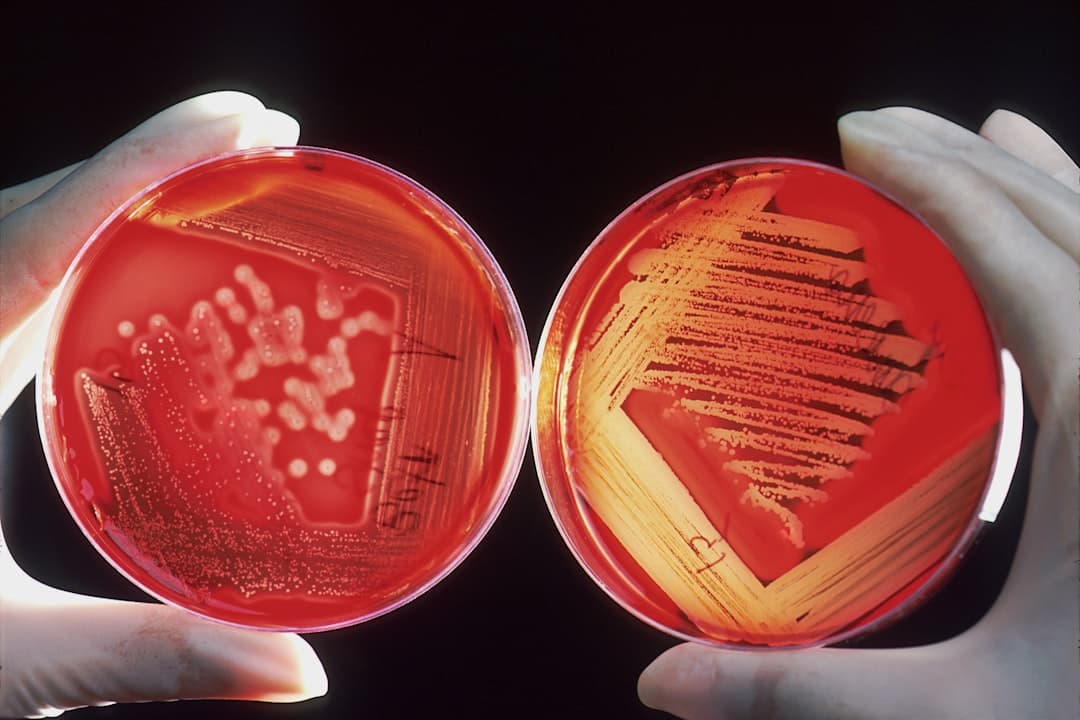
Air Allergen analyzes environmental samples using culture-based laboratory methods to help identify fungal contamination concerns in indoor and occupational environments.
Depending on the project, sample types may include:
- •Air samples to evaluate airborne fungal contamination
- •Surface swabs from suspect areas
- •Bulk material samples from dust, debris, insulation, soil, or contaminated material
Our team can help clients understand which sample type may be appropriate based on the site conditions, suspected source, and project goals. Results can support remediation planning, post-cleanup documentation, indoor air quality evaluation, and professional environmental decision-making.
Environmental results should be interpreted alongside site conditions, visible contamination, moisture history, ventilation patterns, and professional judgment.
Who We Serve
This Type of Environmental Fungal Testing Is Especially Relevant For
Important Disclaimer
Air Allergen provides environmental microbiology analysis only. Our testing is intended to support environmental evaluation, remediation planning, indoor air quality assessment, and professional decision-making.
Air Allergen does not diagnose, treat, or determine whether an individual has cryptococcosis, histoplasmosis, or any other infection. Individuals experiencing symptoms or health concerns should contact a licensed healthcare provider.
Concerned About Bird Droppings, Bat Droppings, or Fungal Exposure Risk?
Air Allergen provides environmental microbiology analysis for consultants, facility teams, remediation companies, property managers, and IAQ professionals. Contact us to discuss sample options, turnaround time, and project-specific testing needs.
Helpful Resources
Background From CDC and NIOSH
Cryptococcosis Causes and How It Spreads
Explains how Cryptococcus is found in the environment and how exposure can occur through inhalation.
Histoplasma in the Environment
Explains the connection between Histoplasma, soil, bird droppings, bat droppings, and occupational environments.
Histoplasmosis Prevention Controls
Provides guidance on reducing exposure risks related to bird or bat droppings and contaminated materials.
For full citations and links, visit cdc.gov.
Where We Analyze Environmental Fungal Samples
Ship samples or coordinate field collection across the Southeast. Sample analysis is performed at our ISO/IEC 17025:2017 accredited facility in Atlanta.
- TN
Tennessee
- NC
North Carolina
- SC
South Carolina
- AL
Alabama
- GA
Georgia
Lab HQ. Atlanta
5
States served
ISO 17025:2017
Accredited lab
Same-day
Reporting available
Request Lab Service
For hospitals, pharmacies, and commercial facilities