LEGIONELLA LAB ANALYSIS
Identify, Count, And Speciate Legionella.
Lab analysis of water samples to detect Legionella, mitigate risk, and protect public health. You collect; we identify, count, speciate, and report. Don't react to what's in your water; get ahead of it.
Send Us Water Samples Today
The Risk
Legionella Lives Where Building Water Goes Quiet
Legionella bacteria thrive in the warm, low-flow corners of building water systems: large plumbing networks, cooling towers, decorative fountains, hot tubs, and showers. When aerosolized and inhaled, they can cause Legionnaires' disease (a severe pneumonia) and Pontiac fever. Both can be fatal, particularly for older adults, smokers, and immunocompromised individuals.
Routine sample analysis is the keystone of outbreak prevention. It validates that your water management plan is working, and if an outbreak does occur, the same analysis pipeline helps identify the source.
Where We Look
Engineered Water and the Fixtures That Touch People
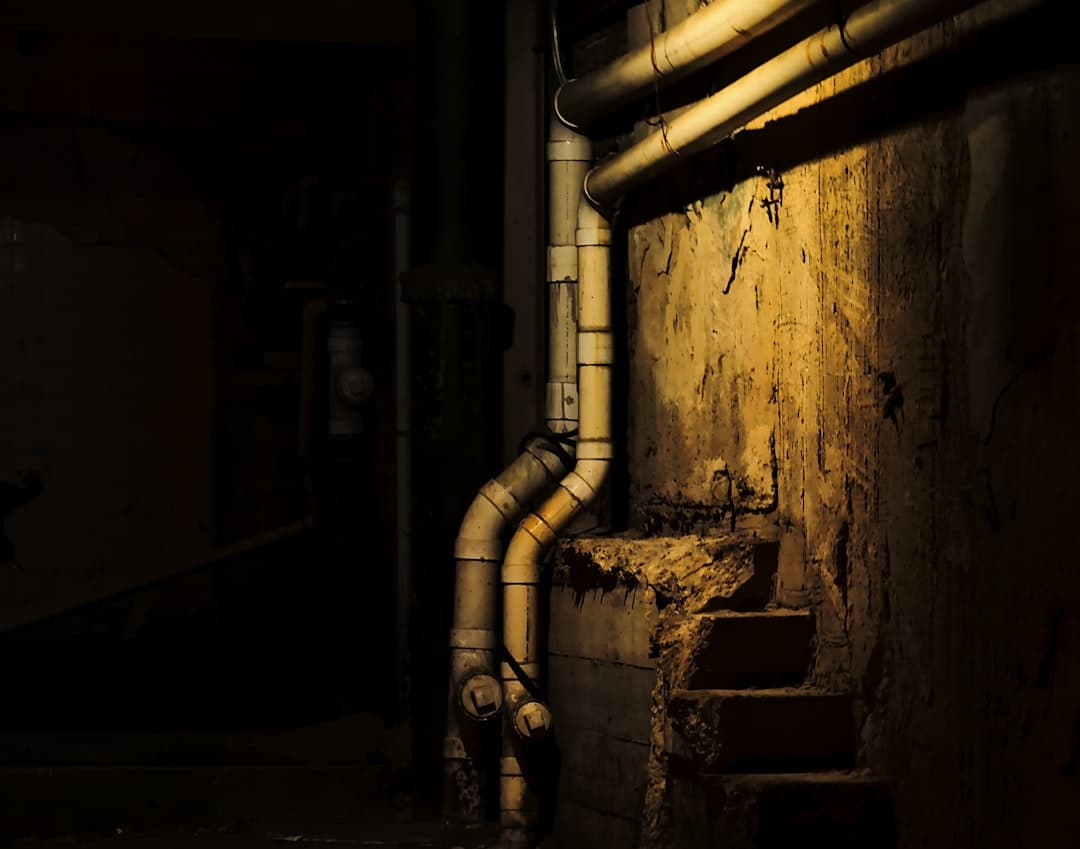
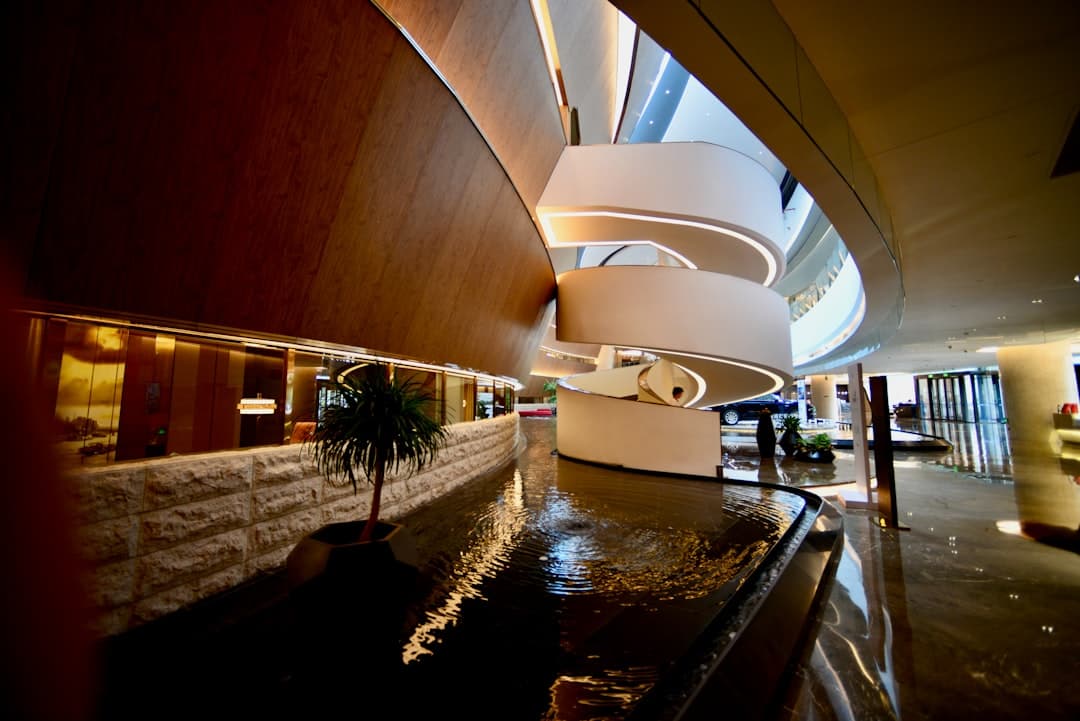
The Legionella story is rarely about one fixture. It is about how warm water, low flow, and biofilm collude across an entire building. We work from the engineered systems on the roof down to the points where occupants are actually exposed.
That perspective shapes how we recommend sampling plans: enough upstream points to find the source, enough downstream points to gauge exposure risk.
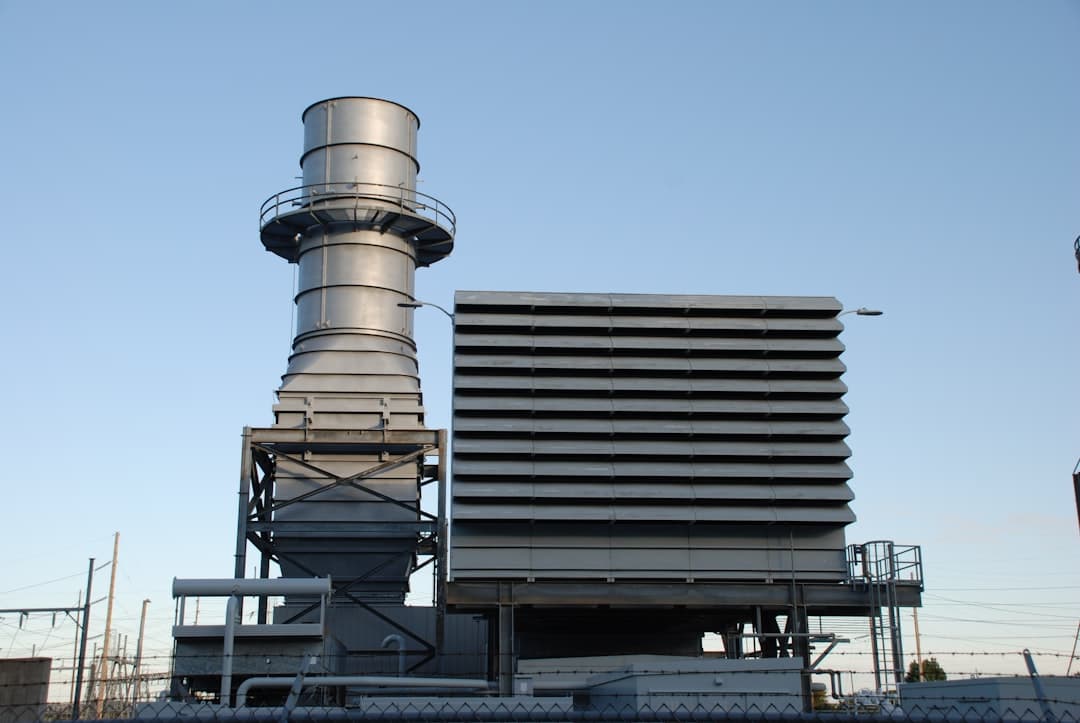
- Cooling towers, evaporative condensers, and rooftop process water
- Hot- and cold-water loops feeding occupant fixtures
- Decorative fountains, misters, and humidification features
- Hydrotherapy, spa, and eyewash safety fixtures
The Method Mix
Two Workflows, Paired to Your Question
Different programs need different methods. We support the two workflows below that cover the Legionella scenarios our clients face, from routine compliance to time-critical outbreak forensics.
Call us before you ship, and we'll help you decide which method, or which pairing, fits your sampling plan, your regulator, and your timeline.
- CDC Culture: full speciation, required in some jurisdictions
- MALDI-TOF: rapid species-level confirmation on isolates
Why Analyze Water Samples for Legionella?
Sample analysis helps your organization meet four important goals at once:
Regulatory Compliance
Meet ASHRAE 188, CMS, OSHA, CDC, and state-specific requirements for water management and Legionella monitoring in healthcare and commercial facilities.
Water Safety Validation
Validate your water safety management plan with routine sample analysis to confirm control measures are working as designed.
Reputation & Liability Management
Outbreaks linked to facilities damage reputation, occupancy, and revenue. Routine analysis reduces the chance an outbreak surfaces publicly.
Baseline Confidence
Even where analysis isn't legally mandated, hotels, recreational facilities, and large employers benefit from baseline data confirming water-system safety.
Legionella Analysis Methods
| Method | TAT | Strength |
|---|---|---|
| CDC Culture | 7–10 days | Required by some jurisdictions. Full speciation. |
| MALDI-TOF | 1–2 days | Rapid species-level confirmation on isolates. |
Legionella CDC Culture
TAT: 7–10 daysIdentifies all Legionella species and serogroups, providing isolates for detailed downstream analyses like source tracking. Required for compliance in some jurisdictions.
Best for
Compliance, baseline analysis, outbreak forensics
Legionella Speciation via MALDI-TOF
TAT: 1–2 daysMatrix-Assisted Laser Desorption/Ionization Time-of-Flight mass spectrometry provides rapid, accurate species-level identification of Legionella isolates. Often paired with culture for comprehensive outbreak analysis.
Best for
Rapid speciation, outbreak forensics, species confirmation
Water Systems We Analyze Samples From
Click any water system to expand its details.
Process-water systems that aerosolize warm water are the canonical Legionella source. Routine analysis underpins every credible cooling-tower water management plan.
Building hot-water loops, point-of-use fixtures, and showerheads, the points where occupants are actually exposed.
Aesthetic and humidification features that aerosolize water deserve the same scrutiny as engineered systems.
Therapy pools, whirlpools, and spa systems in healthcare and hospitality settings.
Low-use safety fixtures are notorious for stagnation; periodic analysis catches problems before they reach an injured employee.
Manufacturing and food-and-beverage processing waters where temperature and aerosolization create exposure pathways.
Industries We Serve
Lab Support for Your Water Management Program
Our microbiologists and water safety experts can support a full-service program or plug into specific gaps in your existing one. Common engagements include:
- Water Safety and Management Plan development
- Water Infection Control Risk Assessment (WICRA)
- Environmental risk assessments
- ASHRAE 188 and state regulatory compliance consultation
- Water Safety Plan audits
- Onsite Legionella sampling assistance and sampling plan design
- Program oversight with quarterly sampling and annual audits
- Implementation support and disinfection planning
Outbreak Forensics and Rush Analysis
When an outbreak hits, you need an integrated response, not a single lab result. Our emergency response team combines specialists in microbiology, engineering, water treatment, infection prevention, public health, and communications to manage every facet of the incident.
- • Outbreak management coordination
- • Onsite sampling and risk assessment
- • Case investigation laboratory services
- • Results interpretation and health department liaison
- • Emergency disinfection planning and follow-up sampling
- • Staff briefings and public communications support
Call us before you ship; we'll align the method pairing and confirm priority intake.
Call 770-938-4861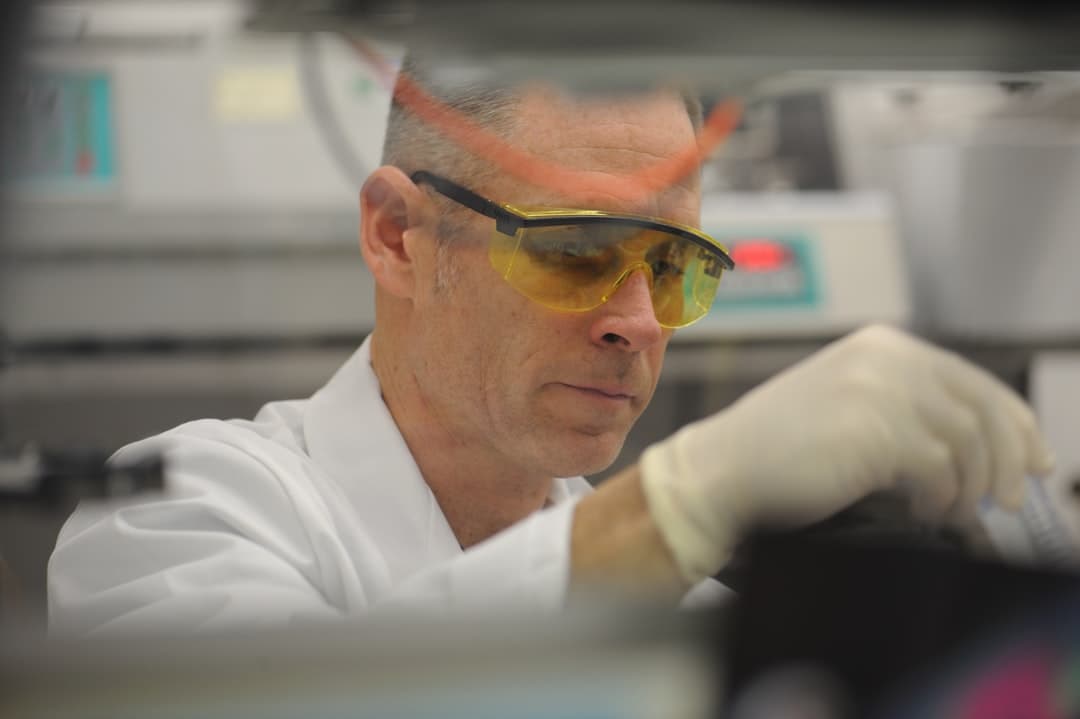
Why Air Allergen
Why Choose Air Allergen for Legionella Lab Services?
Picking the right lab is half the project. Accredited methods, an independent analytical posture, and 24/7 outbreak response mean the report you get back is one you can actually act on.
- ISO/IEC 17025:2017 accredited lab with established shipping protocols for safe sample transport
- Independent analytical lab, no biased or incomplete results driven by remediation contracts
- CDC Culture and MALDI-TOF speciation, paired to match the right method to your use case
- Customized analysis plans aligned with facility-specific needs and applicable regulations
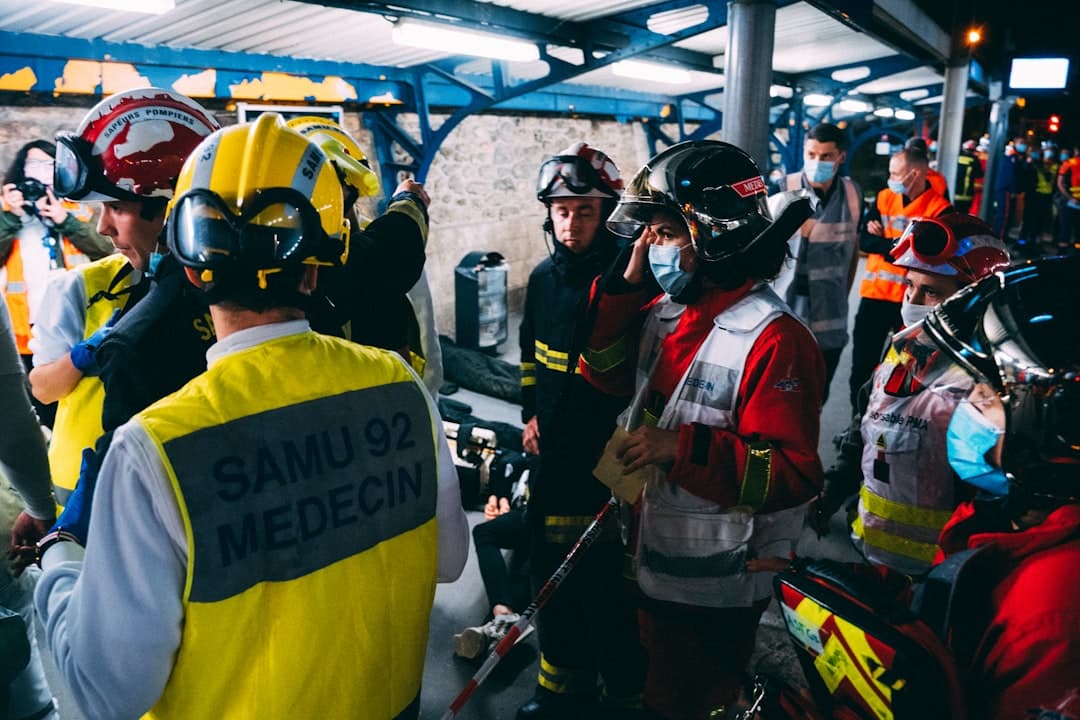
- 24/7 emergency response for outbreak investigations
Where We Analyze Water Samples
Ship samples or coordinate field collection across the Southeast. Sample analysis is performed at our ISO/IEC 17025:2017 accredited facility in Atlanta.
- TN
Tennessee
- NC
North Carolina
- SC
South Carolina
- AL
Alabama
- GA
Georgia
Lab HQ. Atlanta
5
States served
ISO 17025:2017
Accredited lab
Same-day
Reporting available
24/7 Response for Legionella Pressure Events
Whether you need a routine compliance pull or an outbreak-grade workflow, our microbiology team is ready to align the method pairing before your sample arrives.
Request Lab Service
For hospitals, pharmacies, and commercial facilities