
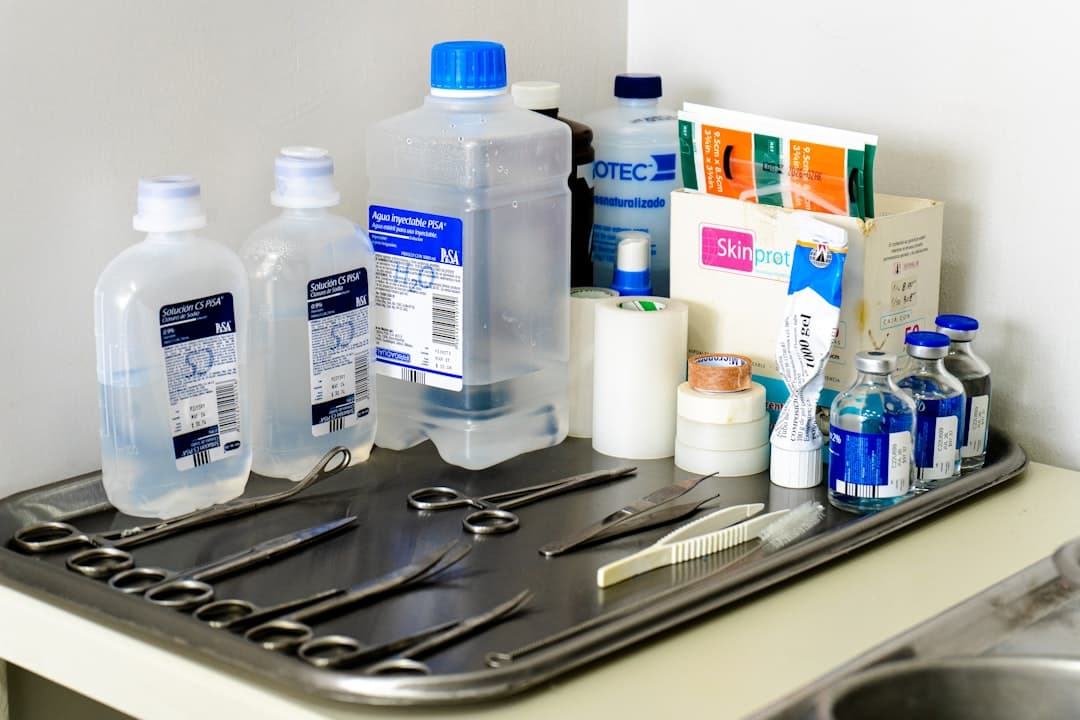
USP <797> SAMPLE ANALYSIS
Built for the 2023 USP <797> Revision.
Sample culture and analysis that helps compounding pharmacies, hospitals, and healthcare providers maintain USP <797> compliance and protect patient safety. You collect the samples; our ISO/IEC 17025:2017 lab handles the analysis and reporting.
Talk To Us About USP <797>
What Is USP <797>
The Chapter Behind CSP Safety
USP <797> is the chapter of the United States Pharmacopeia that defines how compounded sterile preparations (CSPs) get prepared safely. It covers personnel training, environmental monitoring, quality control, documentation, and beyond-use date determinations.
The 2023 revision became official on November 1, 2023 and tightened requirements for monitoring frequency, viable sampling locations, and personnel competency. Our lab handles the analysis side of your program; your team performs sampling, we incubate, identify, count, and report.
- ISO/IEC 17025:2017 accredited reporting
- Aligned with the 2023 USP <797> revision
- Reports referenced against published action levels
Sample Types
Sample Types We Analyze
Click each sample type to expand its details.
Bacterial and fungal counts identified to genus level using TSA and SabDex contact plates. Risk-based sampling of classified areas, ISO Class 5 PEC chambers, and pass-through connections, at minimum monthly for Category 1 and 2 CSP entities.
Bacterial and fungal air analysis using TSA and SabDex petri plates. The 2023 revision increases the number of sampling locations and requires fungal incubation with cooling-capable equipment, both of which we support in our lab workflow.
Direct assessment of garbing effectiveness. Personnel press gloved fingertips and thumbs onto sterile TSA plates; we incubate and report bacterial and fungal counts to verify aseptic technique.
Process simulation analysis using microbial growth medium in place of actual drug ingredients. Verifies aseptic technique and surfaces process concerns. Complete kits available with sterile bags, vials, tryptic soy broth, and syringes.
Combined evaluation of surface, air, gloved fingertip, and media fill components for personnel. Required for initial qualification and at the cadence USP <797> specifies for each CSP category.
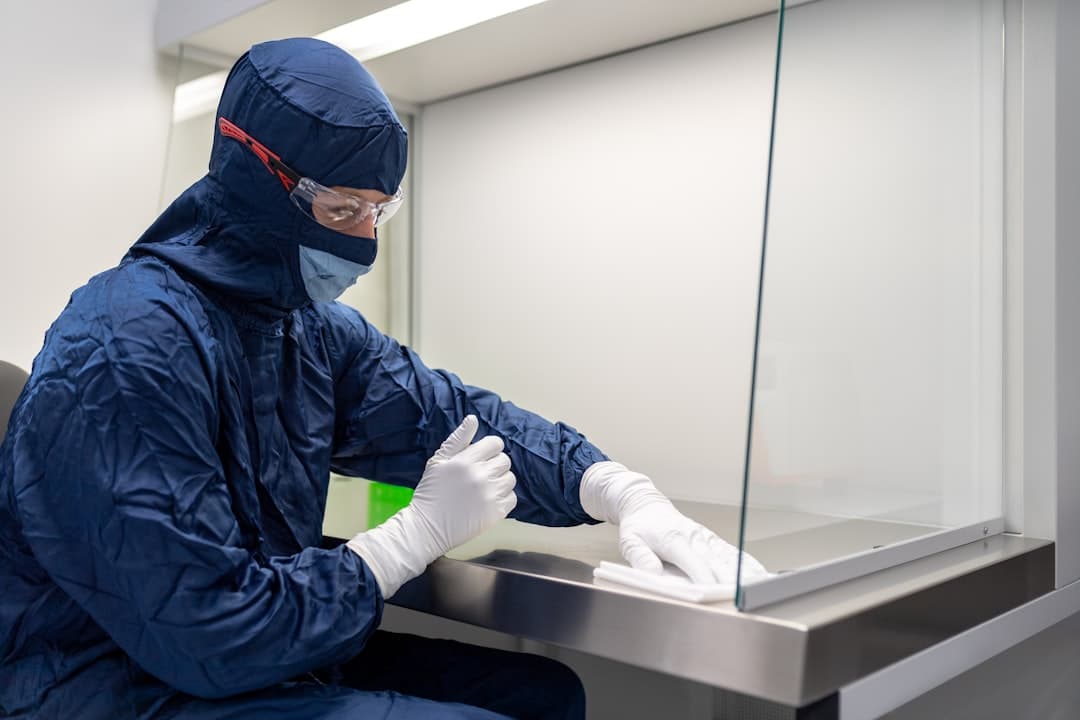
Analysis services that support cleanroom testing programs and facility qualification, including biosafety cabinets, fume hoods, laminar flow hoods, and compounding isolators.
Environmental verification analysis to validate cleanroom performance and ongoing USP <797> compliance.
Viable Air (cfu/m³)
- ISO Class 5: > 1
- ISO Class 7: > 10
- ISO Class 8: > 100
Viable Surface (cfu/device)
- ISO Class 5: > 3
- ISO Class 7: > 5
- ISO Class 8: > 50
Gloved Fingertip (cfu, total)
- After garbing: > 0
- After media-fill: > 3
Sampling Cadence
How Often You Sample Depends On Your Category
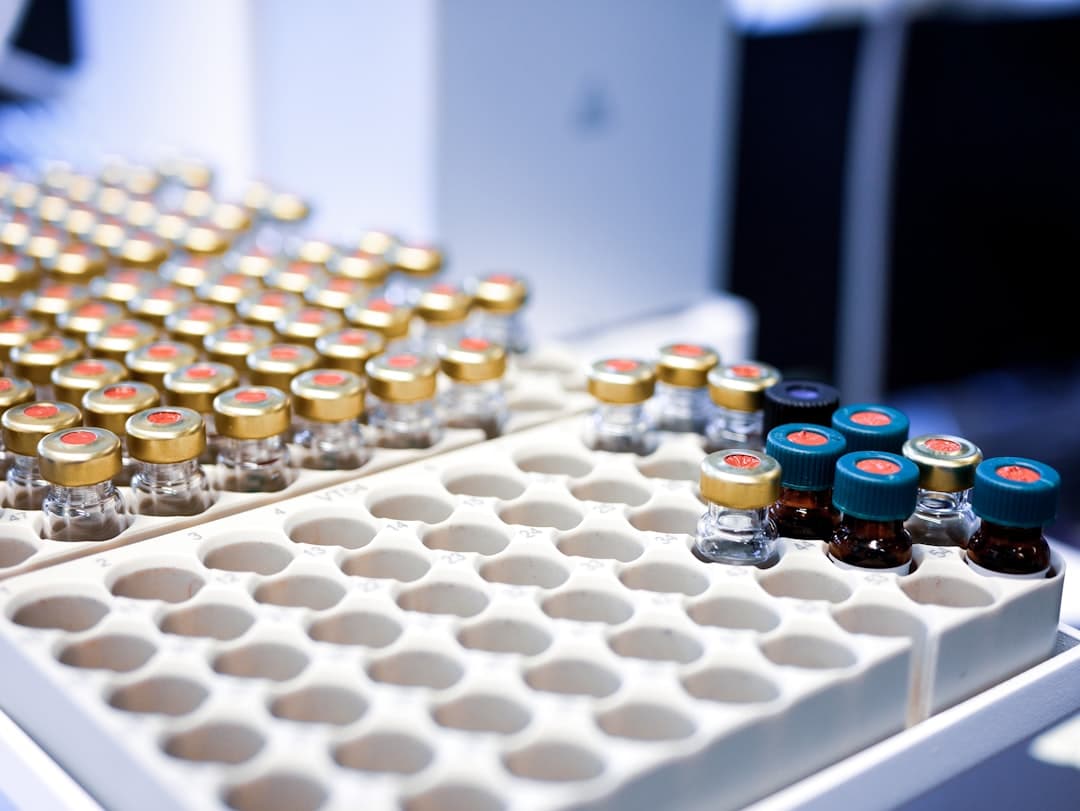
- Categories 1 and 2: All classified areas sampled at least monthly
- Categories 1 and 2: Aseptic competency re-evaluated every six months
- Category 3: Aseptic competency re-evaluated every three months
- All categories: Compounding oversight personnel evaluated annually
Why Choose Air Allergen for USP <797> Lab Services
- ISO/IEC 17025:2017 accredited laboratory with consistent, defensible reporting
- Independent third-party lab. Complements your internal biosafety controls and gives auditors a defensible external data trail.
- Samples processed on receipt so QA can act inside the response window
- Configurable subscription kits with media and supplies for surface, gloved fingertip, and media-fill sampling
- Procurement-ready packet on request: liability insurance, technician credentials, accreditation scope
- Competitive per-sample pricing with no minimums
- Reports referenced against USP <797> action levels so out-of-range results surface immediately
Built for Compounding Pharmacies and Hospitals
Get a defensible analysis partner aligned with the latest USP <797> requirements.
Request Lab Service
For hospitals, pharmacies, and commercial facilities